Every October, the same phrase comes back: the veil is thin. It shows up in shop descriptions, in ritual how-tos, in the one friend who always lights a candle for someone on the 31st. Where the idea comes from is older and stranger than a Halloween decoration, and what people actually do with it, on Divina and off it, is smaller and more careful than the phrase suggests.
Where "the veil is thin" comes from
Samhain was a seasonal festival in ancient Celtic religion, marking the end of the harvest and the start of the dark half of the year. Britannica describes it as one of the most significant calendar festivals of the Celtic year, observed around 1 November, and says the period was considered a dangerous, uncanny time when the ordinary boundary between the human world and the world of gods and spirits was thought to give way. History.com traces Halloween itself back to Samhain, when bonfires were lit and costumes worn to keep roaming ghosts at a distance, and notes that the Christian church later set 1 November aside as All Saints' Day, folding in some of the older customs along the way.
How much of the specific "thin veil" wording goes back to the ancient festival itself, versus later retellings, is genuinely unsettled — almost nothing about pre-Christian Samhain survives in writing from the time it was practised. What is well documented is that the belief has been handed down, reworked and widely held for a very long time, and that it still shapes what people choose to do on and around the night.
What people actually commission for it
On Divina, the week around Samhain is not mostly about ghost stories. It is mostly about four ordinary categories of work, timed to a date that already has people's attention on who and what they want to sit with.
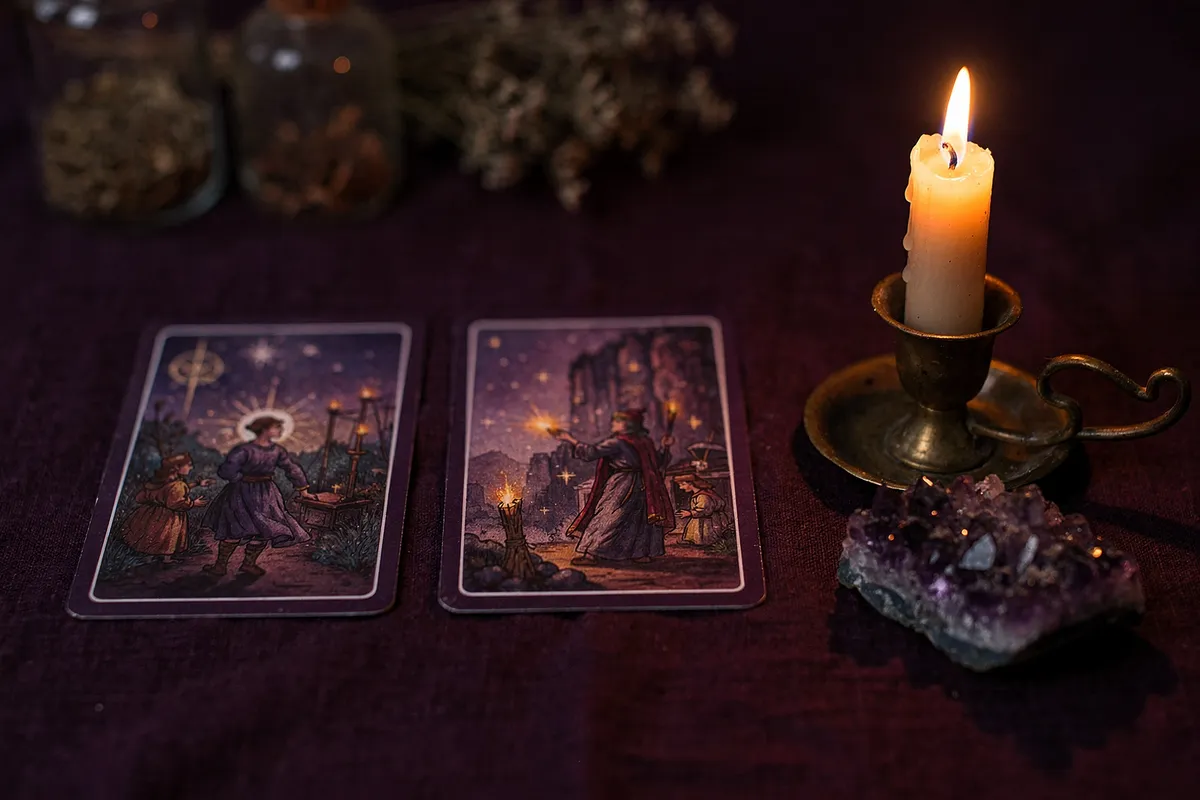
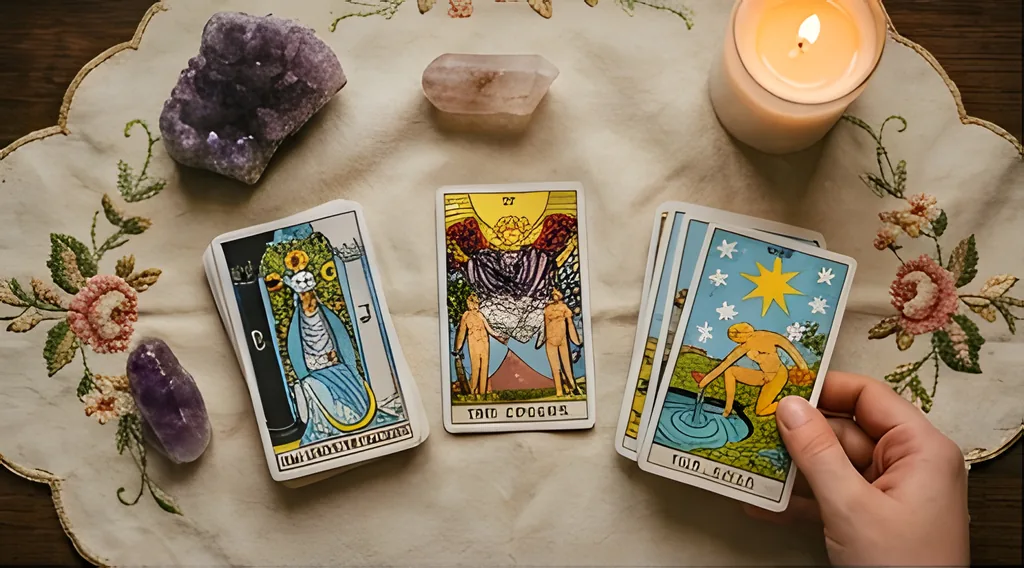
- A reading — tarot, astrology or a general psychic reading — aimed at the turn of the season rather than a single yes-or-no question.
- A mediumship reading, specifically for people seeking contact with someone who has died, which an honest practitioner treats as a distinct skill from a psychic reading and will say plainly when nothing comes through.
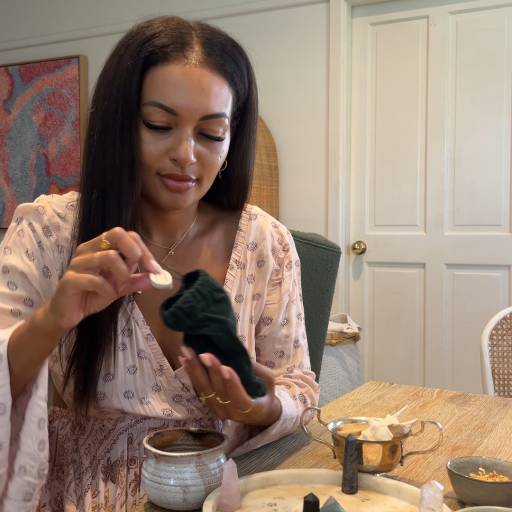
- A house or energy cleansing, often requested going into winter as a seasonal reset rather than in response to anything frightening.
- Protection or warding work, usually described as holding a boundary around a home or a person through the darker months, not undoing anything that has already happened.
Ancestor remembrance, done carefully
A lot of what looks like Samhain ritual online is really an altar: a shelf with a photo, something the person loved, a candle lit at the same time each year. That is a remembrance practice, and it does not require a practitioner at all. When people do bring it to a reading, the honest version is not a promise that someone's voice will come through — it is a space held for grief and memory, with whatever a reader perceives named as perception, not certainty. No reading on Divina may promise contact with anyone, living or dead; see how a reading can and cannot be described.
If what's underneath this is a fresh loss, a pregnancy loss, or anything that feels like crisis rather than remembrance, a reading is not the right tool on its own. Our crisis resources list people who can help right now.
What this season of work is not
Samhain readings and workings stay inside the same lines as any other day on Divina. Nothing commissioned for the night is aimed at another person without their knowledge, and nothing is framed as a hex, a binding or a way to force an outcome — the season's attention on the dead does not loosen the Acceptable Use Policy. A reading about someone who has died is about your grief and your memory of them, not a verdict on where they are or what they want from you now.
If you want to mark it yourself
You don't need a practitioner to observe the night. A small altar, a photo, something that belonged to the person, a candle for the length of one evening — that is the whole practice for most people who keep it. If you'd rather have company in it, what to ask in a reading covers how to bring a sensitive question to a practitioner without it turning into a request they can't honestly answer. And if you're weighing whether to book anything at all, current prices across live listings show what a reading or a working runs before you commit to one.