"What's your sign?" used to have one honest answer, and it was never the whole picture. A birth chart has planets in every sign and house, but three placements do most of the work of describing a person, which is why astrologers call them the big three. Knowing all three, and what each one is actually for, is the difference between a chart that sounds like you and a horoscope that sounds like anyone born in a six-week window.
Your sun sign: the self you call yourself
Your sun sign is set by where the sun sat in the zodiac on the day you were born, which is why it only takes a birthday to find. It's the placement astrologers point to for your core identity — the version of yourself you'd describe if someone asked who you are, not how you're feeling today. Most of the horoscopes you've ever read, the newspaper column and the app notification both, are written for the sun sign alone, because a birth date is the only detail a mass horoscope can count on having. That's also exactly why they read so generic: a twelfth of everyone born gets the same paragraph.
Your moon sign: what you need to feel safe
The moon moves fast, changing sign roughly every two and a half days, so it maps something quicker-moving than identity: your emotional instincts, what actually comforts you, how you behave when nobody's managing their image. People who feel like their sun sign is a stranger's description often recognize themselves in their moon sign instead — it's the more private placement, the one that shows up at home rather than at a party. Because the moon moves quickly, your birth date alone is usually enough to place it correctly. The exception is a birth that landed right as the moon was changing signs, where the hour starts to matter.
Your rising sign: the self a stranger meets first
The rising sign, or ascendant, is whatever sign sat on the eastern horizon at the exact moment you were born. Because the earth turns, a new sign rises roughly every two hours, which means your rising sign depends on time and place in a way your sun sign never does. Astrologers treat it as the self you present before anyone knows the rest of you: your manner, your first impression, the mode you default to under pressure. Two people can share a sun and moon sign and still come across completely differently, and the rising sign is usually why.
Why the exact time and place matter so much
A rising sign calculated from the wrong hour isn't a rougher estimate — it can be a different sign entirely, especially if your birth landed near the top or bottom of an hour. A birth certificate is the most reliable source; some hospitals and US states record the time more precisely than others, and parents' memories are a real but shakier fallback. An astrologer can still work without an exact time, but the chart they hand back is a different, more limited thing, built for a default hour rather than your real one. A good practitioner will say plainly which kind of chart you're getting rather than quietly guessing.
The big three, read together
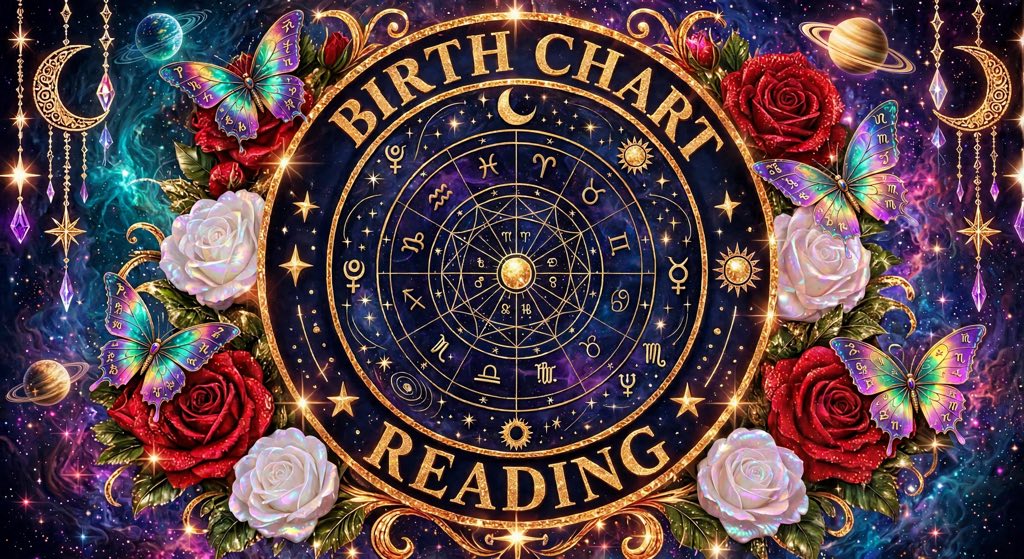
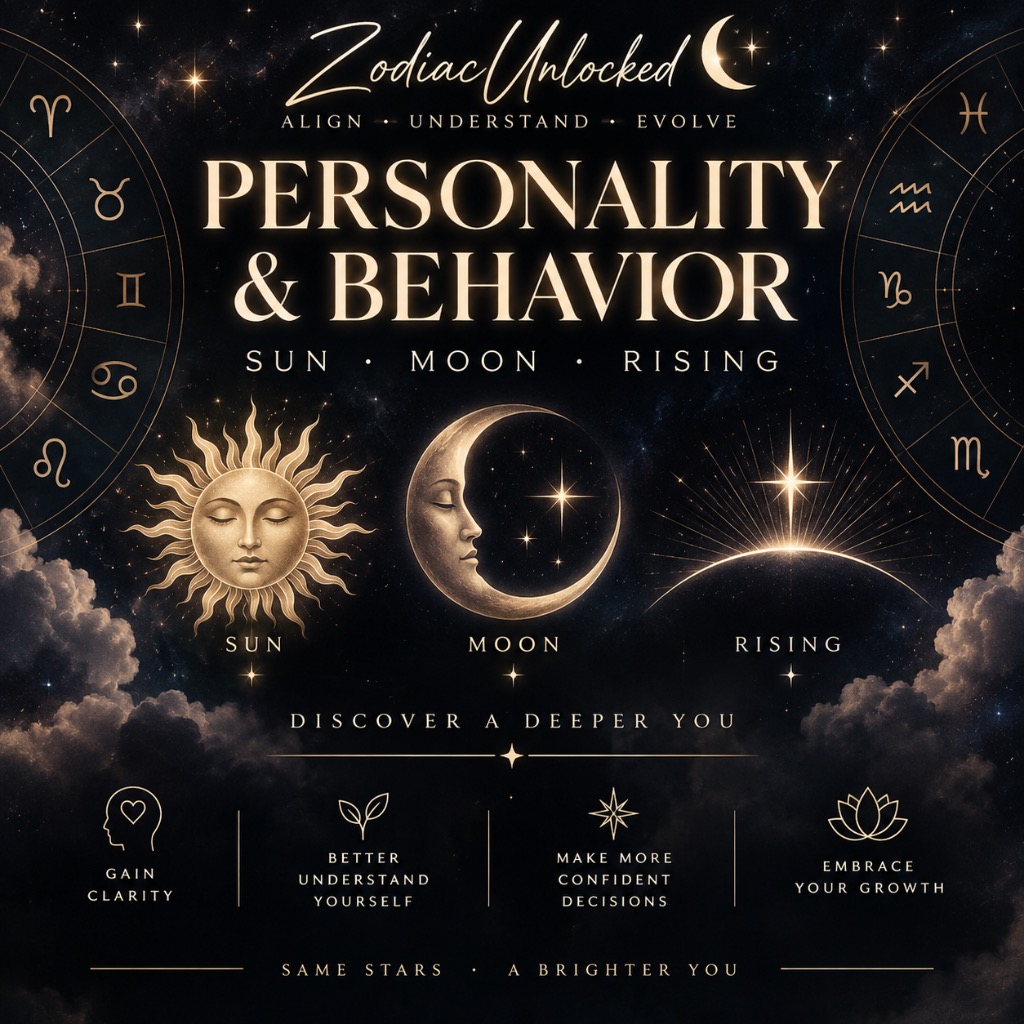
None of the three outranks the others, and they aren't competing descriptions of the same person — they're three different layers. The sun is who you are, the moon is what you feel, the rising is how you come across before either of those gets a chance to show. A full birth chart reading goes well past these three: every planet lands in a sign and a house, and the angles between them are where an astrologer finds the detail that a sun-sign horoscope could never reach. The big three are the doorway in, not the whole room.
How common is any of this, really
If checking three placements instead of one still feels like a niche habit, the numbers say otherwise. Pew Research Center found that 28% of U.S. adults consult astrology at least once a year, and 27% say they believe in it — both numbers holding roughly steady since Pew last asked in 2017. Most of that 28% told Pew they do it for fun rather than to guide a real decision, which tracks with how Divina frames every reading here: for reflection and entertainment, never as a forecast you can bank on.
Finding your own big three
Start with your birth certificate for the exact time, and know the city as precisely as you can — the time zone and your position east or west inside it both shape the chart. If the time genuinely isn't findable, say so upfront; an astrologer would rather scope the reading around an unknown time than build on a guess you didn't know you were making. A written chart reading will name all three placements and the planets around them, and then do the part a free calculator can't: read what the pattern has actually looked like in a life, not just list where things sit.
No astrologer can tell you what a placement means you will do, or guarantee how any of this plays out. Birth charts on Divina are for entertainment and personal reflection, and every practitioner here is reviewed by a person before their shop opens.
Before you book a reading
Bring your birth date, exact time and city, and say plainly if any of the three is uncertain. Ask the astrologer to interpret the pattern rather than just list it back to you — the synthesis is the part that's actually worth paying for. Every astrologer on Divina sets their own price, shown on the listing before you pay; current prices across live listings are on the price page rather than written here by hand. And if what you actually want is two charts read against each other, that's a different purchase — synastry is built for exactly that question.